

Want to get more protein without drinking the same boring protein shake every day? Tea powder protein combines the aroma of tea with the nutrition of protein, so one drink delivers both flavor and function. This guide covers the types of tea powder, benefits, buying tips, and easy recipes to help you find the right option for you.
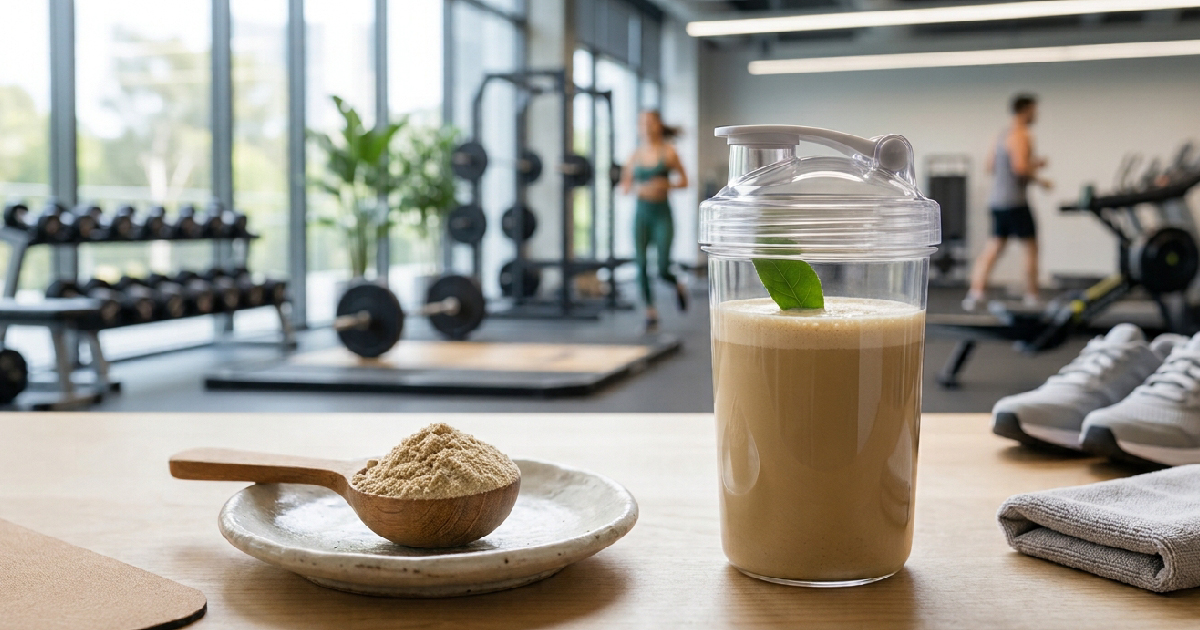
What Is Tea Powder Protein? Definition and Key Features
Tea powder protein refers to a powdered drink that combines tea powder (such as matcha, oolong tea powder, or black tea powder) with a protein source (such as whey, soy, or pea protein), or the practice of mixing the two together.
Compared with plain protein powder, it offers:
- More layered flavor: natural tea aroma that keeps it from getting monotonous.
- Tea compounds plus protein: tea powder contains polyphenols and L-theanine, paired with a protein boost.
- Easy preparation: just shake with water, milk, or plant-based milk.
Why Are Tea Powder and Protein Becoming So Popular?
Interest in tea-flavored protein drinks has grown for three main reasons:
- More people are working out: people care more about daily protein intake and want options that taste better.
- The low-sugar trend: compared with bubble tea, a homemade tea powder protein drink lets you control the sugar.
- Demand for variety: chocolate and vanilla get old quickly, and tea flavors offer a fresh alternative.
Common Types of Tea Powder and Flavor Pairings (Matcha, Oolong, Black Tea)
| Tea Powder | Flavor Profile | Best Paired With |
|---|---|---|
| Matcha powder | Fresh, slightly bitter, sweet aftertaste | Milk, oat milk, vanilla protein |
| Oolong tea powder | Floral and fruity, clean finish | Unsweetened cold brew, unflavored protein |
| Black tea powder | Rich tea flavor with a touch of sweetness | Whole milk, soy milk for a milk-tea taste |
Tip: Tea powder has a delicate flavor, so pairing it with unflavored or vanilla protein powder lets the tea shine.
Protein Sources Compared: Whey, Soy, and Pea Protein
| Protein Source | Features | Best For |
|---|---|---|
| Whey protein | Fast absorption, complete amino acid profile, common in sports nutrition | Gym-goers, general adults |
| Soy protein | Plant-based, relatively complete amino acid profile | Lacto-ovo vegetarians, those wanting more plant protein |
| Pea protein | Lactose-free, neutral flavor | Lactose-intolerant people, vegans |
Among whey proteins, concentrate contains more lactose, while isolate is further purified and contains relatively less. If you are lactose intolerant, consider whey isolate or a plant-based protein first.
5 Key Benefits of Tea Powder Protein
- Tastes better, easier to stick with: the tea flavor softens the "powdery" taste of protein powder, so it is less likely to get tiresome.
- A convenient way to get enough protein: one cup is a quick fix on busy days, great for breakfast or after a workout.
- Control over sugar: you can adjust the sweetness to your needs, more flexible than store-bought sweetened drinks.
- Enjoy the flavor and compounds of tea: tea powder contains natural compounds like polyphenols and L-theanine.
- Plenty of variety: works hot or cold, and can become a smoothie, latte, or dessert.
Who Should Try Tea Powder Protein Drinks?
- Gym-goers and strength trainers: a great post-workout protein option.
- Office workers and students: ideal when breakfast time is short and you need quick nutrition.
- People who do not get enough protein: for example, those on mostly plant-based diets, with small appetites, or who eat out often.
- Anyone cutting back on sugary drinks: swap bubble tea for an unsweetened tea powder protein drink.
- Older adults or those with low appetite: as a drinkable protein supplement, under the guidance of a doctor or dietitian.
How to Choose a Quality Tea Powder Protein Product: 6 Key Points
- Read the ingredient list: tea powder and protein sources should be clearly labeled, and simpler is better.
- Check the protein content: how many grams of protein per serving, and does it fit your needs?
- Check sugar and additives: watch for large amounts of sugar, flavorings, artificial sweeteners, or thickeners.
- Check the protein type: choose whey, soy, or pea protein based on your body and diet.
- Check the tea powder quality: for matcha, look for a natural vibrant green color and no off odors, and learn about the origin and processing.
- Check labeling and testing: choose products with complete labels, a trusted brand, and available test information.
How to Drink Tea Powder Protein: 4 Easy Recipes and Mixing Methods
1. Matcha Protein Latte
1 tsp matcha powder + 1 scoop protein powder + 250 ml milk or oat milk. Shake well or blend with an electric frother.
2. Cold-Brew Oolong Protein Drink
1 tsp oolong tea powder + 1 scoop unflavored protein powder + 300 ml cold water. Shake well and add ice.
3. Black Tea Protein Milk Tea
1 tsp black tea powder + 1 scoop vanilla protein powder + 250 ml milk. Serve hot or iced.
4. Matcha Banana Protein Smoothie
1 tsp matcha powder + 1 scoop protein powder + half a banana + 250 ml milk + ice. Blend until smooth.
Mixing tips:
- First mix the tea powder and protein powder into a paste with a small amount of liquid, then add the rest to reduce clumping.
- Whey protein tends to clump in high heat, so dissolve it in cold or room-temperature liquid first, then add the hot liquid.
- Use a shaker bottle or electric mixer for a smoother texture.
How Much Should You Drink Per Day? Best Timing and Precautions
Daily protein needs: According to Taiwan's Ministry of Health and Welfare, the average adult needs about 1.1 grams of protein per kilogram of body weight per day, and people who exercise regularly may need more. Drinks are only a supplement; whole foods should remain the foundation.
Suggested timing:
- After exercise: pairs well with post-workout nutrition.
- Breakfast: boosts protein intake and helps you feel full.
- Afternoon snack: replaces sugary drinks or cookies.
Precautions:
- Tea powder contains caffeine. People who are sensitive to caffeine, are pregnant or breastfeeding, or have trouble sleeping should avoid drinking it before bed and limit the amount.
- People with kidney disease or special dietary restrictions should consult a doctor or dietitian before increasing protein intake.
- Follow the serving size on the product label and do not overdo it.
Common Myths and Side Effects of Tea Powder Protein
Myth 1: Drinking protein shakes makes you lose weight?
Protein can increase satiety, but weight management still depends on your overall calories and exercise habits, not a single drink.
Myth 2: Protein powder damages the kidneys?
For healthy adults, moderate intake is generally not a concern. However, people who already have kidney problems should talk to their doctor first.
Myth 3: Tea powder can fully replace brewed tea?
Tea powder is whole tea leaves ground into powder, so you consume the leaf itself, which differs from drinking brewed tea. You should still keep an eye on your caffeine intake.
Possible side effects:
- People with lactose intolerance may experience bloating or diarrhea from whey protein.
- Excess caffeine may cause heart palpitations or insomnia.
- Drinking a large amount on an empty stomach may cause digestive discomfort in some people.
Tea Powder Protein vs. Regular Protein Powder: What's the Difference?
| Comparison | Tea Powder Protein | Regular Protein Powder |
|---|---|---|
| Flavor | Distinct tea aroma, light and refreshing | Mostly chocolate, vanilla, or fruit flavors |
| Extra components | Contains polyphenols, L-theanine, etc. | Mainly protein |
| Caffeine | Yes (depends on tea type and amount) | Usually none |
| Best for | Wanting variety and a tea-drinking experience | Purely supplementing protein |
| Things to note | Mind the caffeine before bed | Watch for allergies or lactose depending on the protein source |
In short, if you value flavor and enjoyment, tea powder protein is a great choice. If you just want plain protein or are sensitive to caffeine, regular protein powder is simpler.
Tea Powder Protein FAQ
Q1: Can I mix tea powder and protein powder directly?
Yes. We recommend making a paste first, then adding water or milk for a more even texture.
Q2: Is tea powder protein good when cutting fat?
It can be a useful way to add protein and replace sugary drinks, but it should be combined with an overall controlled diet and exercise.
Q3: Can people with lactose intolerance drink it?
We suggest choosing whey isolate or switching to plant-based proteins like pea or soy, and starting with a small amount.
Q4: How many cups can I drink per day?
Adjust according to the product's recommended serving and your personal protein needs. One to two servings is common, while keeping your total caffeine intake in mind.
Q5: Can I drink it at night?
Tea powder contains caffeine, so it is not recommended before bed for people sensitive to caffeine. Try it during the day or after a workout instead.
Q6: Can tea powder protein drinks be made cold?
Yes, but dissolve the tea powder and protein powder thoroughly in a small amount of liquid first, then add cold water or ice.
Conclusion: Choose the Right Tea Powder Protein for Easy Daily Protein
Tea powder protein blends the fresh aroma of tea with the nutrition of protein, making it tastier and easier to keep up as a habit. When shopping, check the ingredients, protein content, sugar, and tea powder quality, choose a protein source that suits your body, and keep an eye on your caffeine intake.
If you are looking for a tasty, low-burden way to supplement protein, start with a matcha protein latte and add a new option to your daily routine.
Want to learn more about different types of tea? Feel free to sample them at our Amazon , or contact us here to help you find the perfect one for you.