

When most people think of tea powder, the image that comes to mind is simple: hot water, a bamboo whisk, and a bowl of matcha. But the role of tea powder extends far beyond the tea bowl. Whether it's matcha, hojicha powder, or black tea powder, their concentrated aroma and color can be put to creative use in desserts, drinks, baked goods, and even frozen treats.
Lattes and Specialty Drinks
The easiest way to extend tea powder beyond brewing is turning it into a latte. Matcha lattes and hojicha lattes are already staples at chain coffee shops, and the method is simple: mix the tea powder with a small amount of hot water into a smooth paste, making sure it's fully dissolved with no clumps, then pour in steamed milk or oat milk. For more complexity, try combining tea powder with coffee — a matcha Americano, for example — or use black tea powder to create the rich body of Hong Kong-style milk tea. Compared to brewing loose leaf tea, powder dissolves faster and its strength is easier to control, making it ideal for busy mornings or standardized production at bubble tea shops.
Gelato and Frozen Desserts
The natural bitterness and color of tea powder make it an excellent ingredient for frozen desserts. Adding matcha to a gelato base not only creates a beautiful green hue but also balances the sweetness of milk and sugar, resulting in a rich tea flavor that isn't overly sweet. Hojicha powder works well for ice cream with a smoky, roasted aroma, or as a topping for shaved ice. One thing to watch: tea powder oxidizes and loses aroma when exposed to heat, so it's best added after the base has cooled — just before freezing — to preserve its vibrant color and fragrance.
Baking: Cakes, Cookies, and Bread
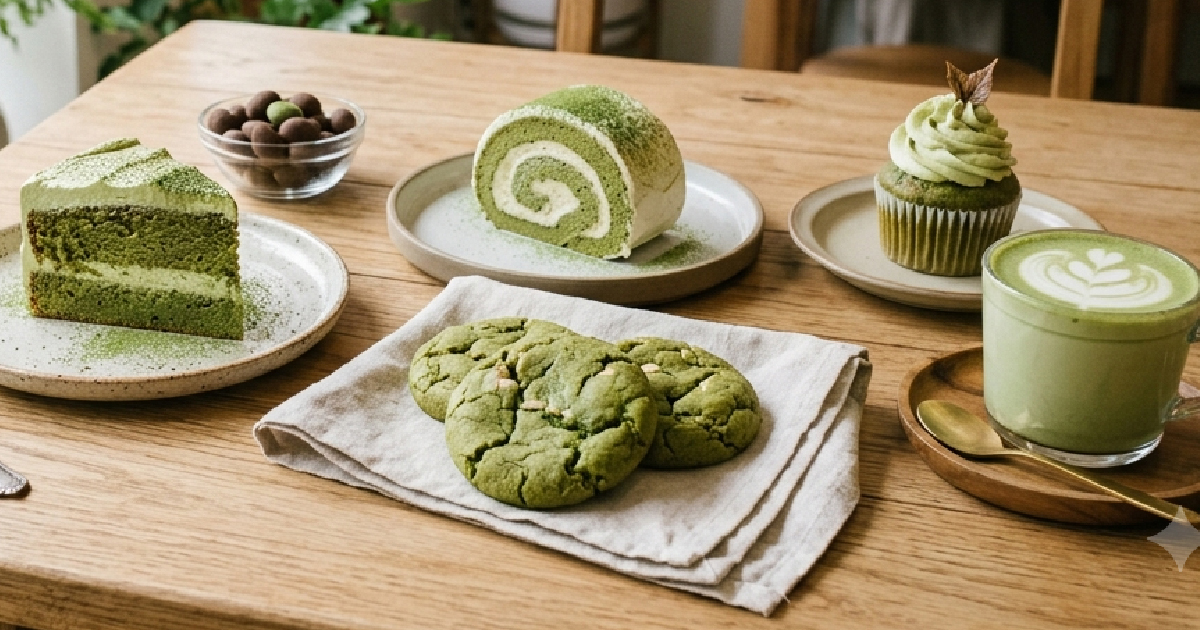
Tea powder's applications in baking are especially varied. Matcha chiffon cake, matcha Swiss rolls, and matcha croissants are already fixtures at dessert shops, while adding tea powder to cookie dough creates a subtle, lingering tea flavor. For bread, tea powder can be incorporated into a tangzhong starter or mixed directly into the flour to make matcha toast or tea-flavored bagels. While high oven temperatures can cause the color to dull toward a darker yellow-green, controlling the baking temperature and shortening browning time can help minimize oxidation and preserve a more vibrant appearance.
Dessert Garnish and Flavor Accents
Beyond serving as a main ingredient, tea powder also works beautifully as a finishing touch. Dusting it over tiramisu in place of cocoa powder, sifting it along the edges of a cake, or blending it into frosting or whipped cream for a soft tea-colored mousse are all simple techniques that elevate the final presentation. Tea powder is also commonly used to make tea-infused salt or sugar, sprinkled over desserts or roasted dishes to add a layered, complex aroma.
Savory and International Dishes
Tea powder's uses aren't limited to sweets. In Japanese cuisine, matcha is used to coat fried foods — matcha tempura, for instance — adding both fragrance and color. Some chefs mix tea powder into pasta sauces or salad dressings for a subtly bitter, savory finish. Black tea powder and oolong tea powder are well suited for braised meat dishes, as the tea's aroma effectively cuts through richness and masks gaminess — a technique favored by many creative cooks.
Tips for Using Tea Powder
Regardless of the application, tea powder is sensitive to prolonged heat and sunlight, which can cause oxidation, discoloration, and loss of aroma. After opening, store it sealed in the refrigerator and use it up within a reasonably short time. Different uses also call for different grades: for drinking, opt for higher-grade matcha; for baking and cooking, food-grade or culinary-grade tea powder offers a good balance of cost and flavor.
From a cup of latte to a scoop of gelato, from fluffy bread to elegant dessert garnishes, tea powder has long outgrown the idea that it's only for drinking. It has become a versatile ingredient in the kitchen. Next time you come across tea powder, why not experiment boldly? You might just discover your own signature tea-infused creation.