

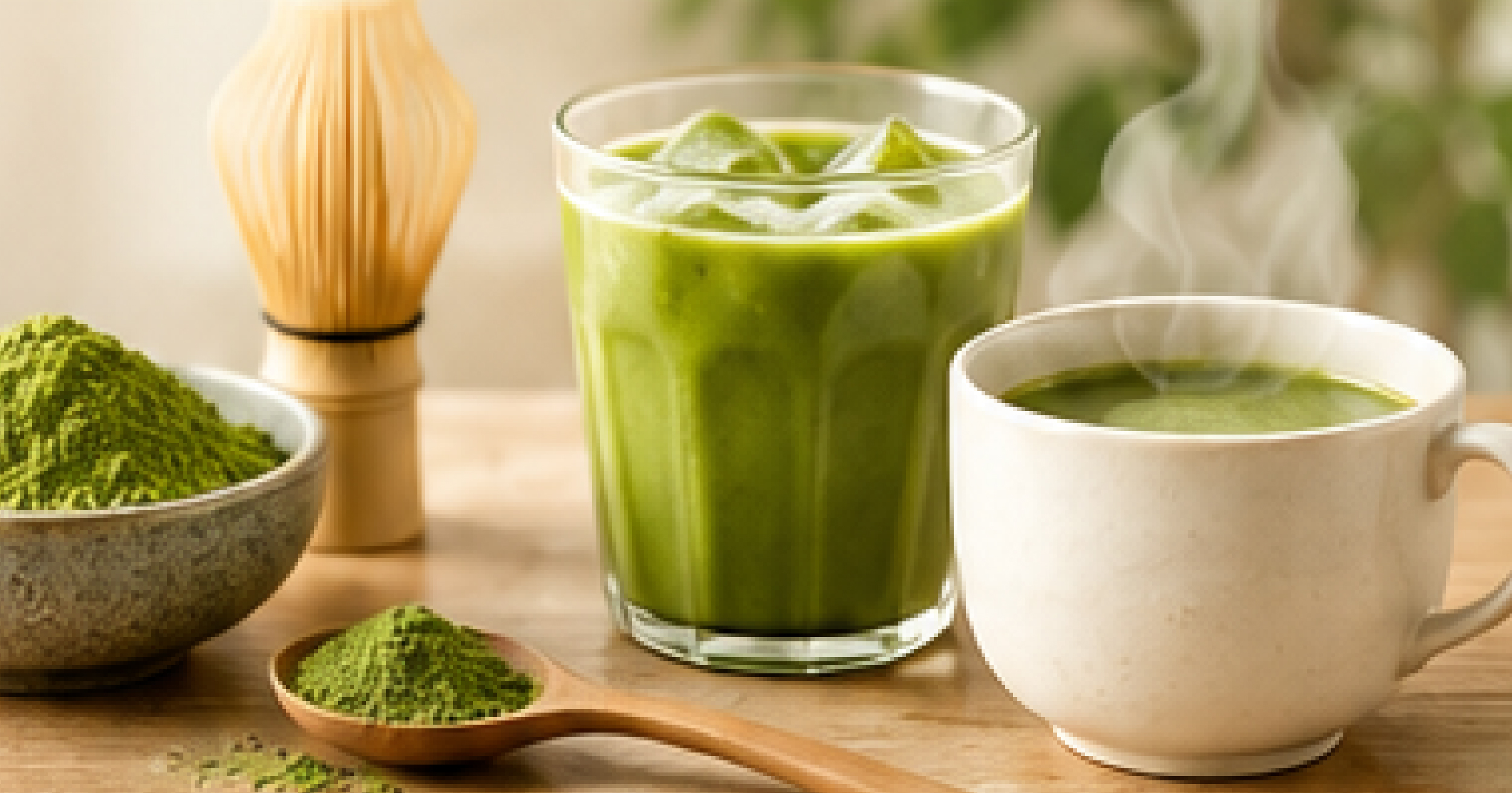
Why Does Temperature Matter So Much for Tea Powder?
Two people can use the same bag of tea powder and get completely different results: one enjoys a fresh, naturally sweet cup, while the other tastes bitterness and finds clumps at the bottom. More often than not, the difference comes down to temperature. Tea powder is made by grinding the whole tea leaf into a fine powder, so catechins, caffeine, amino acids, and aroma compounds are all concentrated in every spoonful. If the water is too hot, bitter catechins and caffeine are released in large amounts and delicate aromas evaporate quickly. If the water is too cold, the powder struggles to disperse, clumps easily, and the flavor never fully develops. Getting the temperature right protects flavor, color, and texture at the same time.
How Tea Powder Behaves: Solubility and Temperature
Most tea powders are dispersed rather than truly dissolved. The particles stay suspended in the liquid instead of disappearing completely the way sugar or salt does. For that reason, temperature affects tea powder in two main ways:
- Dispersion: Moderate warmth lowers the viscosity of water and helps the powder spread out, but hotter is not always better.
- Compound release: The higher the temperature, the more astringent and bitter compounds are released, and the faster the aroma fades.
Instant and blended powders, such as milk tea powder, often contain ingredients like maltodextrin or milk powder. Their solubility differs from pure tea powder, so they should be handled separately.
Recommended Water Temperature by Type of Tea Powder
The table below lists general reference temperatures. Always check the instructions on your product's packaging first.
| Tea Powder Type | Recommended Water Temperature | Flavor Notes |
|---|---|---|
| Matcha powder | 70–80°C (158–176°F) | Preserves bright green color and natural sweetness; avoids bitterness |
| Green tea powder | 70–80°C (158–176°F) | Fresh and refreshing; turns bitter if the water is too hot |
| Black tea powder | 85–95°C (185–203°F) | Higher heat brings out a rich, full aroma |
| Oolong tea powder | 85–95°C (185–203°F) | Floral, fruity, and roasted notes are more pronounced |
| Roasted tea (hojicha) powder | 90–95°C (194–203°F) | Deep roasted aroma; tolerates high heat well |
| Milk tea powder | 80–90°C (176–194°F) | Focus on easy dissolving and avoiding clumps |
A simple rule of thumb: the greener and fresher the tea powder, the lower the water temperature; the bolder and more heavily roasted the powder, the higher the water temperature can be.
How to Brew Tea Powder Hot: Correct Temperature and Steps
The key to hot brewing is not just temperature. It is "mix into a paste first, then add water":
- Measure the powder: Take an amount that suits your taste. Sifting the powder first helps reduce clumps.
- Make a paste: Add a small amount (about 20–30 ml, or roughly 1 fl oz) of water at the right temperature. Whisk with a bamboo whisk (chasen), a small stirrer, or a milk frother until it becomes a smooth, thick paste with no lumps.
- Add the rest of the water: Pour in the remaining hot water and keep stirring until evenly mixed.
- Drink promptly: Tea powder settles over time, so drink it soon after mixing and give it a quick stir before sipping.
If you pour powder directly into boiling water, the outer layer of each clump gets coated first while the dry powder inside stays dry. That is the most common cause of clumping.
How to Prepare Tea Powder Cold or Iced
Cold preparation greatly reduces bitterness, which makes it ideal for anyone who prefers a light, refreshing taste. It is also the most popular method in summer.
- Mix directly in cold water: Use room-temperature or cold water and shake quickly in a shaker bottle or blend with an electric mixer.
- Make a paste before adding ice: Mix the powder into a paste with a small amount of room-temperature water (or warm water at about 40°C / 104°F), then add cold water and ice. This dissolves much better.
- Best types for cold prep: Green tea powder, matcha powder, oolong tea powder, and some fruit tea powders.
- Keep in mind: Powder dissolves more slowly in cold water, so stir for longer and shake again right before drinking.
Best Temperature for Tea Powder with Milk, Soy Milk, and Oat Milk
When making matcha lattes, black tea lattes, and similar drinks, the temperature of the milk matters just as much:
- Dairy milk: Heat to about 60–65°C (140–149°F). Overheated milk can taste scorched or form a skin on the surface, and it will overpower the flavor of the tea.
- Soy milk and oat milk: Keep below 70°C (158°F). Higher temperatures can affect texture and increase the risk of clumping or separation.
- Order of steps: First mix the powder into a paste with a small amount of water (or a little hot milk), then add the rest of the milk for a smoother texture.
- Iced lattes: Make the paste first, then pour in cold milk and ice for more stable layers and texture.
Heat Tolerance of Tea Powder in Baking and Cooking
Tea powder is widely used in cakes, cookies, breads, ice cream, and many other desserts. The powder itself does not "go bad" in the oven, but high heat and long baking times will dull its color and aroma:
- Typical baking temperatures: Most cakes and cookies bake at about 150–180°C (300–355°F). Tea powder can withstand this range, but the bright green of matcha will gradually shift toward yellow-brown.
- Protecting color: Lower the oven temperature slightly, shorten the baking time, or cover the surface loosely with foil to slow color change.
- Boosting aroma: Add extra tea powder to components that are not baked, such as fillings, buttercream, and whipped cream, to keep a fuller tea fragrance.
- Adjusting the amount: Tea flavor becomes milder after baking, so the amount of powder in a recipe can be a little higher than in a drink.
What Happens When the Water Is Too Hot or Too Cold?
Common problems when the water is too hot
- Noticeable bitterness and astringency from large amounts of caffeine and catechins
- Matcha and green tea powder turning yellowish or dull in color
- Loss of fresh aroma and savory sweetness (umami)
- The outer layer of the powder gelatinizing and forming clumps
Common problems when the water is too cold
- Powder that does not disperse well, leaving lumps or sinking to the bottom
- A gritty, uneven mouthfeel
- Insufficient flavor release and a weak taste
If your tea does not taste the way you expected, checking the water temperature first is usually the fastest way to find the cause.
Practical Tips for Better Dissolving
- Sift first: Pushing the powder through a fine mesh sieve breaks up small lumps and is the single most effective way to prevent clumping.
- Paste first, then dilute: This is the most basic and most important step.
- Use the right tools: At home, try a bamboo whisk, an electric milk frother, or a shaker bottle. Commercial kitchens can use blenders or dedicated mixing equipment.
- Watch the ratio: Too much powder with too little water makes clumps more likely.
- Keep stirring: Tea powder settles naturally, so stir again before drinking for a more consistent texture.
Temperature Control for Commercial Use (Tea Shops and Cafés)
In commercial service, consistency is everything, and temperature management is the key:
- Standardize water temperature: Use a hot water dispenser with a fixed temperature setting or a temperature-controlled kettle so the water is never too hot one time and too cool the next.
- Write an SOP: Clearly define powder amount, water amount, water temperature, stirring time, and order of steps so every team member can produce the same result.
- Batch preparation: Prepared tea paste or tea liquid should not sit for long. Mix to order, or prepare small batches more often.
- Temperature logs: During peak season or rush hours, check water temperature and drink quality at regular intervals.
- Recipe testing: When switching to a new tea powder or a new batch, run a small test first to find the best water temperature and mixing method.
Storage Temperature and Environment Also Affect Quality
Tea powder has a large surface area, so it is more sensitive to its environment than whole tea leaves. How you store it directly affects flavor and color:
- Avoid light: Light speeds up the deterioration of chlorophyll and aroma compounds.
- Keep it dry: Moisture causes clumping and can even lead to mold. Reseal the package right after use.
- Seal tightly: Use a resealable zipper bag or an airtight container.
- Temperature guidance: Unopened powder can be kept in a cool, dry place. Once opened, matcha and green tea powder are best refrigerated and used up quickly.
- When taking it out: After removing powder from the refrigerator, let it come to room temperature before opening to prevent condensation from forming on the powder.
Tea Powder Temperature FAQ
Q1: Can I use boiling water directly on tea powder?
It is not recommended. Boiling water can make matcha and green tea powder bitter, dull the color, and cause clumping. Black tea powder and roasted tea powder are more heat-tolerant, but it is still best to make a paste first and then add hot water.
Q2: Can I add ice directly to tea powder?
You can, but it works better to mix the powder with a small amount of water first, then add ice and cold water. Dropping dry powder straight onto ice easily leads to clumps and sediment.
Q3: Can I heat tea powder in the microwave?
Heating dry powder in the microwave is not recommended. If you need to reheat a prepared tea drink, heat it in short intervals and stir in between to avoid hot spots that create bitterness or splatter.
Q4: My tea powder drink settles after mixing. Is something wrong with the quality?
No. Tea powder is a dispersed powder, so settling is normal. Simply stir before drinking.
Q5: Should I use the same amount of powder for cold and hot drinks?
Cold preparation extracts less efficiently, so the flavor tends to be lighter. You can add a little more powder to taste, but avoid adding too much at once, since that can cause clumping.
Conclusion: Master Temperature for a Better Cup Every Time
The best temperature for tea powder depends on the type of tea and how you plan to use it. Matcha and green tea powder work best at 70–80°C (158–176°F) or prepared cold. Black tea, oolong, and roasted tea powders can handle hot water at 85–95°C (185–203°F). When adding milk, aim for 60–70°C (140–158°F). In baking, watch out for color loss caused by high heat. If you remember three simple principles, "paste first, then add water, and never overheat," your success rate will go up dramatically.
Want to explore more ways to enjoy tea powder? Browse our tea powder collection and find the one that suits you best.