

Tea-flavored chocolate (Tea Chocolate) has quickly become a favorite in the dessert scenes of Taiwan, Japan, Europe, and the US. When the rich depth of cacao meets the fresh fragrance and lingering sweetness of tea leaves, two seemingly unrelated flavors turn out to be a surprisingly good match. This article covers the types of tea chocolate, how it is made, how to choose it, drink pairings, and a homemade recipe, so you can understand the topic in one read.
What Is Tea Chocolate?
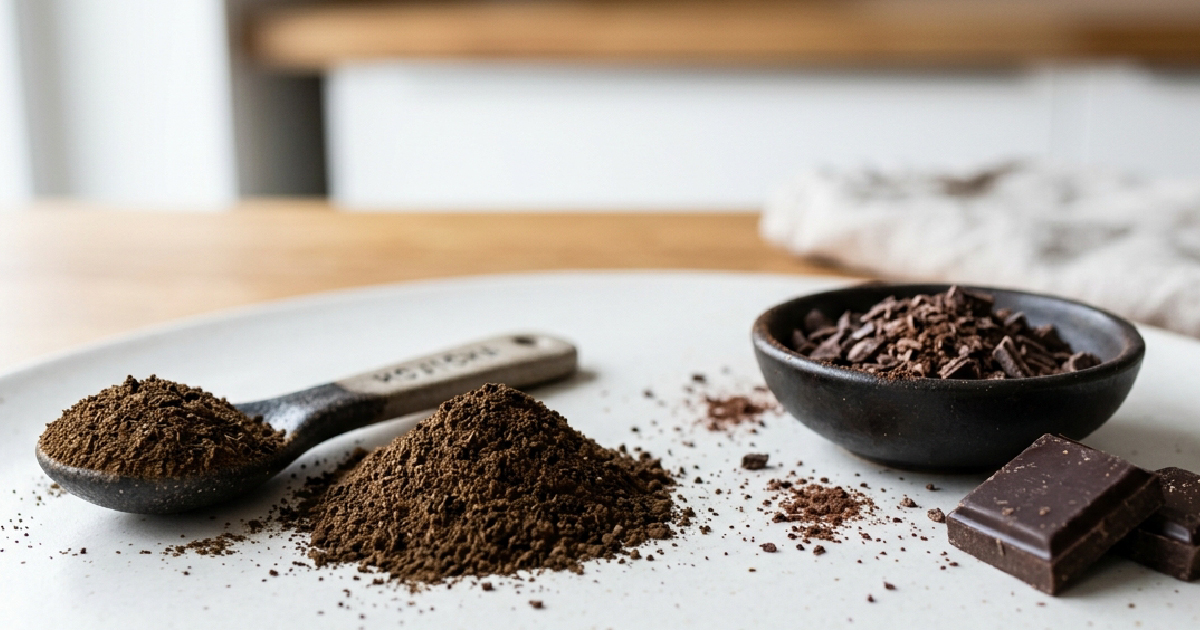
Tea chocolate is chocolate made with tea powder, tea extract, or tea aroma. The amount and form of tea change the flavor considerably: some bars blend tea powder directly into the chocolate, giving a bold tea taste and a green or brown tint, while others infuse tea leaves into cream or cocoa butter so the aroma unfolds gently and slowly on the palate.
In the past, most people thought of Japanese matcha chocolate first when tea chocolate came up. With the rise of bean-to-bar chocolate and bubble tea culture, more and more brands are experimenting with Earl Grey, oolong, and hojicha, and even Taiwan high mountain tea and Oriental Beauty tea. This has made tea chocolate a choice that is both a conversation starter and a mark of quality, and it also makes a great gift or souvenir.
Why Do Tea and Chocolate Pair So Well?
The key to this pairing is that the two have complementary flavor structures:
- Balance of bitter and sweet: Cacao naturally carries bitterness and slight acidity, and the astringency and lingering sweetness of tea echo it, giving the overall flavor more layers.
- Fat and tannins: Chocolate is rich in cocoa butter, which makes it smooth and rich, while the tannins in tea (tea polyphenols) add a refreshing, clean finish so it never feels cloying.
- Layered aromas: Both cacao and tea contain many aromatic compounds, and their floral, fruity, and roasted notes echo each other to create a more dimensional aroma.
Put simply, chocolate provides "body" and tea provides "clarity." Together, they are like a rich yet not-too-sweet drink.
What Are the Benefits and Nutritional Value of Tea Chocolate?
The cacao in chocolate contains cocoa polyphenols (flavonoids) and small amounts of minerals, while tea leaves contain tea polyphenols and catechins. Both are natural plant compounds that are often mentioned. A few points to keep in mind:
- Tea chocolate is still a high-calorie food that contains sugar and fat, so it should not be treated as a health supplement.
- The higher the cacao content and the lower the sugar, the better the nutritional profile generally is.
- Because matcha is made from whole ground tea leaves, its caffeine content can be higher than that of brewed tea. Cacao also contains a small amount of caffeine and theobromine.
We recommend treating tea chocolate as a treat to enjoy for its flavor, eaten in moderation, rather than expecting any therapeutic effect.
How to Choose High-Quality Tea Chocolate
- Check the cacao content and tea quality: The higher the cacao content, the more noticeable the bitterness and cacao aroma, while white chocolate bases taste sweeter. For the tea, look for brands that state the tea variety, origin, or grade.
- Check the ingredient list: Quality products usually have simple ingredients, such as cocoa butter, cocoa mass, sugar, and tea powder. If the list includes a lot of artificial flavoring or vegetable oil in place of cocoa butter, both flavor and texture will suffer.
- Check the origin and brand reputation: Choose brands with a clear origin, a description of how the chocolate is made, and user reviews, as their quality is more reliable.
How to Store Tea Chocolate and What to Watch For
- Temperature: The ideal storage temperature is about 15–18°C (59–64°F). Avoid direct sunlight and hot environments.
- Humidity: Keep it dry. High humidity can cause white sugar bloom on the surface.
- Refrigeration: If you need to refrigerate it, let it come to room temperature before opening to avoid condensation.
- Fat bloom: When the temperature fluctuates a lot, cocoa butter can rise to the surface and form white streaks. This does not mean the chocolate has spoiled, but the texture and appearance will be affected.
- Keep away from odors: Chocolate easily absorbs other smells, so store it in an airtight container away from strong-smelling foods.
- Shelf life: Fresh chocolate (nama chocolate) and varieties containing fresh cream have a shorter shelf life, so always eat them according to the date on the package.
Tea Chocolate FAQ
Q1: Does tea chocolate contain caffeine?
Yes. Both tea leaves and cacao contain caffeine, and matcha usually contains relatively more because the whole leaf is consumed. However, a single piece of chocolate delivers only a limited amount, which is generally less than a cup of tea or coffee. If you are sensitive to caffeine, avoid eating it before bed.
Q2: Is matcha chocolate the same as green tea chocolate?
Not exactly. Matcha is a fine powder ground from shade-grown tea leaves, with a sweet flavor and a savory umami note, while ordinary green tea powder has a milder aroma and tends to be more astringent. Good matcha chocolate has a vivid green color and a pronounced tea flavor.
Q3: Can pregnant women or children eat it?
Because it contains caffeine, pregnant women and children should limit how much they eat. Pregnant women with special dietary needs should consult a doctor or dietitian first.
Q4: Will tea chocolate make me gain weight?
Tea chocolate contains sugar and fat, and its calorie content is not low, so eating too much can lead to weight gain. We recommend choosing varieties with higher cacao content and less sugar, and enjoying them in moderation.
Conclusion
Tea chocolate brings together the richness of cacao and the elegance of tea leaves, making a dessert with layered flavors and real gift-giving appeal. From beginner-friendly matcha white chocolate to more advanced oolong and Earl Grey dark chocolate, every combination has its own charm. When shopping, pay attention to the ingredients and the quality of the tea, and pair it with the right tea to bring out the best flavor.
Ready to give it a try? Start with a tea you already like and pick a chocolate that suits it, or make a batch of matcha nama chocolate yourself and experience the pairing of tea and chocolate firsthand.
Want to learn more about different types of tea? Feel free to sample them at our Amazon store, or contact us here to help you find the perfect one for you.